HAJJ

HAJJ

HAJJ

The Ultimate Spiritual Journey and the Fifth Pillar of Islam

HAJJ

The Profound Significance of HAJJ

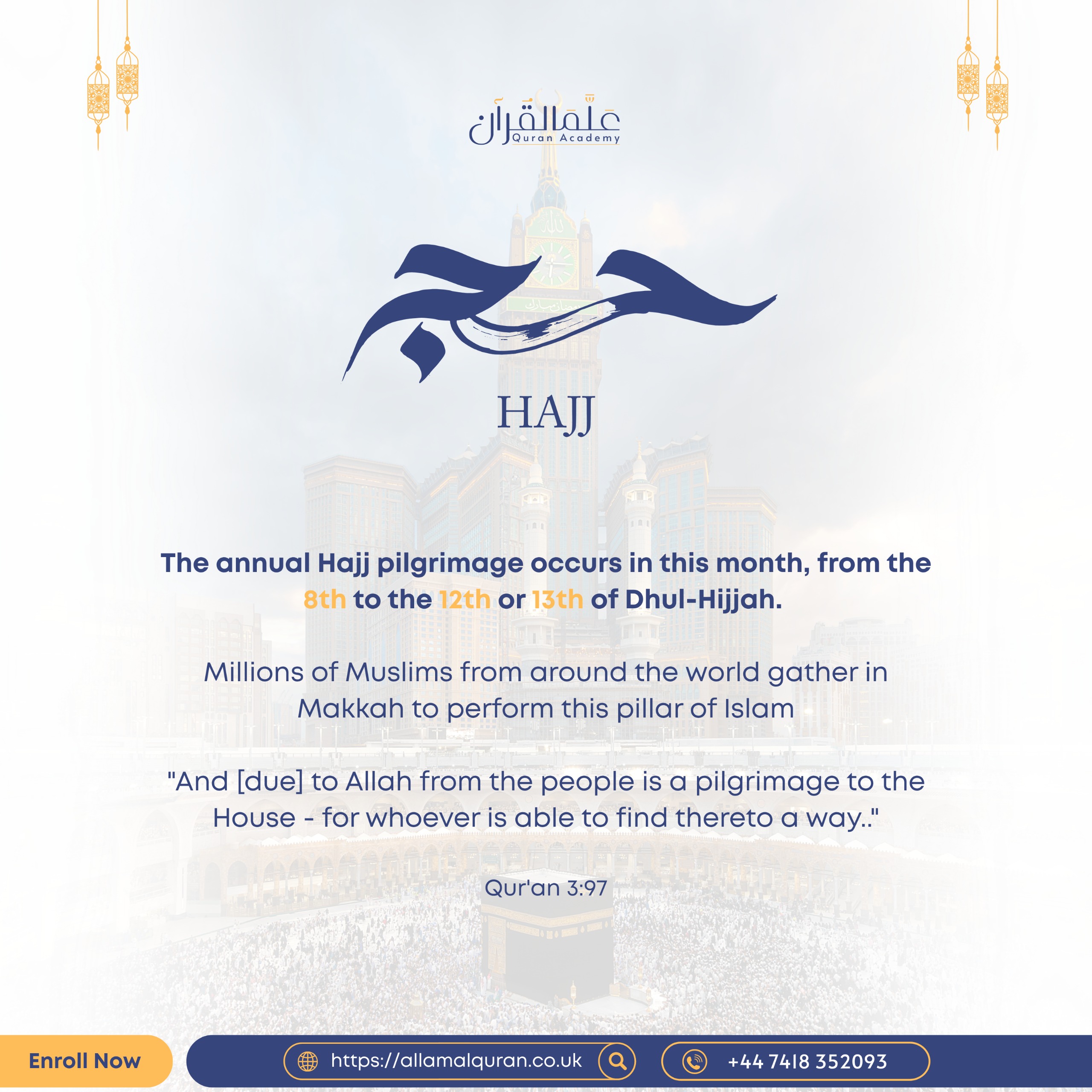
For millions of Muslims worldwide, the journey to Makkah represents the absolute pinnacle of their spiritual lives. Known as the fifth pillar of Islam, this sacred pilgrimage is mandatory at least once in a lifetime for every adult Muslim who is physically and financially capable.

The rituals performed during this time trace back thousands of years to the trials and absolute devotion of Prophet Ibrahim (Abraham), his wife Hajar, and his son Ismail (peace be upon them). It is a journey of shedding the ego, seeking ultimate forgiveness, and unifying the global Ummah under one banner of faith.

وَأَذِّن فِي النَّاسِ بِالْحَجِّ يَأْتُوكَ رِجَالًا

“And proclaim to the people the Hajj [pilgrimage]; they will come to you on foot and on every lean camel...”

This divine command was issued directly by Allah in Surah Al-Hajj 22:27. Obeying this call requires massive spiritual, physical, and mental preparation, resulting in a completely purified soul.

7 Powerful Steps of HAJJ

The pilgrimage takes place during the Islamic month of Dhul-Hijjah, specifically from the 8th to the 12th (or 13th) day.

Each step is meticulously designed to test a believer's patience, endurance, and submission to the Creator.

Here is a breakdown of the 7 core rituals that make up this incredible journey:

  • 1. Entering Ihram (8th Dhul-Hijjah): Pilgrims enter a state of purity, wearing simple white garments that erase all signs of wealth and status. They travel to Mina, known as the "City of Tents."
  • 2. The Day of Arafah (9th Dhul-Hijjah): This is the most crucial day of the entire pilgrimage. Pilgrims stand on the plains of Arafah from noon until sunset, begging Allah for absolute forgiveness.
  • 3. Night in Muzdalifah: After sunset at Arafah, pilgrims travel to Muzdalifah. Here, they pray under the open sky and collect pebbles for the next day's ritual.
  • 4. Rami al-Jamarat (10th Dhul-Hijjah): Upon returning to Mina, pilgrims throw pebbles at the largest pillar (Jamarat al-Aqabah), symbolizing Prophet Ibrahim's rejection of Satan’s whispers.
  • 5. Qurbani and Halq: Following the stoning, a sacrifice (Qurbani) is offered. Men then shave their heads (Halq) or trim their hair, and women trim a small portion of their hair, marking the exit from the primary restrictions of Ihram.
  • 6. Tawaf al-Ifadah: Pilgrims proceed to the Grand Mosque in Makkah to circle the Kaaba seven times and perform Sa'i (walking between the hills of Safa and Marwah).
  • 7. The Days of Tashreeq (11th-13th Dhul-Hijjah): Pilgrims stay in Mina, continue the stoning of all three pillars, and perform the Farewell Tawaf (Tawaf al-Wida) before finally departing Makkah.

Expert Dialogue: Preparing for the Pilgrimage

How do we prepare our hearts, minds, and families for the monumental journey of HAJJ?

Q1 Seeker: "I am saving money to go, but I feel spiritually unprepared. What should I do?"
Scholar's insight: The physical journey begins on a plane, but the spiritual journey begins at home. Start by perfecting your daily Salah, clearing your debts, and asking forgiveness from anyone you may have wronged. A purified heart is the best provision you can take with you.
Q2 Parent: "Is it advisable to take young children on this demanding trip?"
Scholar's strategy: While children are absolutely allowed, the crowds and physical exhaustion are extreme. It is often recommended to wait until they are older so they can truly comprehend the rituals and endure the physical requirements without immense hardship.
Q3 Both: "How do we maintain the spiritual high after we return home?"
Shared Goal: The true sign of an accepted pilgrimage is that you return as a better Muslim than when you left. To maintain this connection, immerse yourself in continuous Islamic education. We highly encourage returning pilgrims and their families to enroll in the Islamic Studies courses at Allamalquran Academy to keep the light of faith burning bright.

Final Reflection: Completing HAJJ is like being reborn. The Prophet ﷺ stated that whoever performs this pilgrimage for Allah's sake without committing any obscenity will return as sinless as a newly born child. May Allah invite us all to His sacred house, make the journey easy, and accept our devotion. Ameen.