
A Comprehensive Guide for Parents and Educators
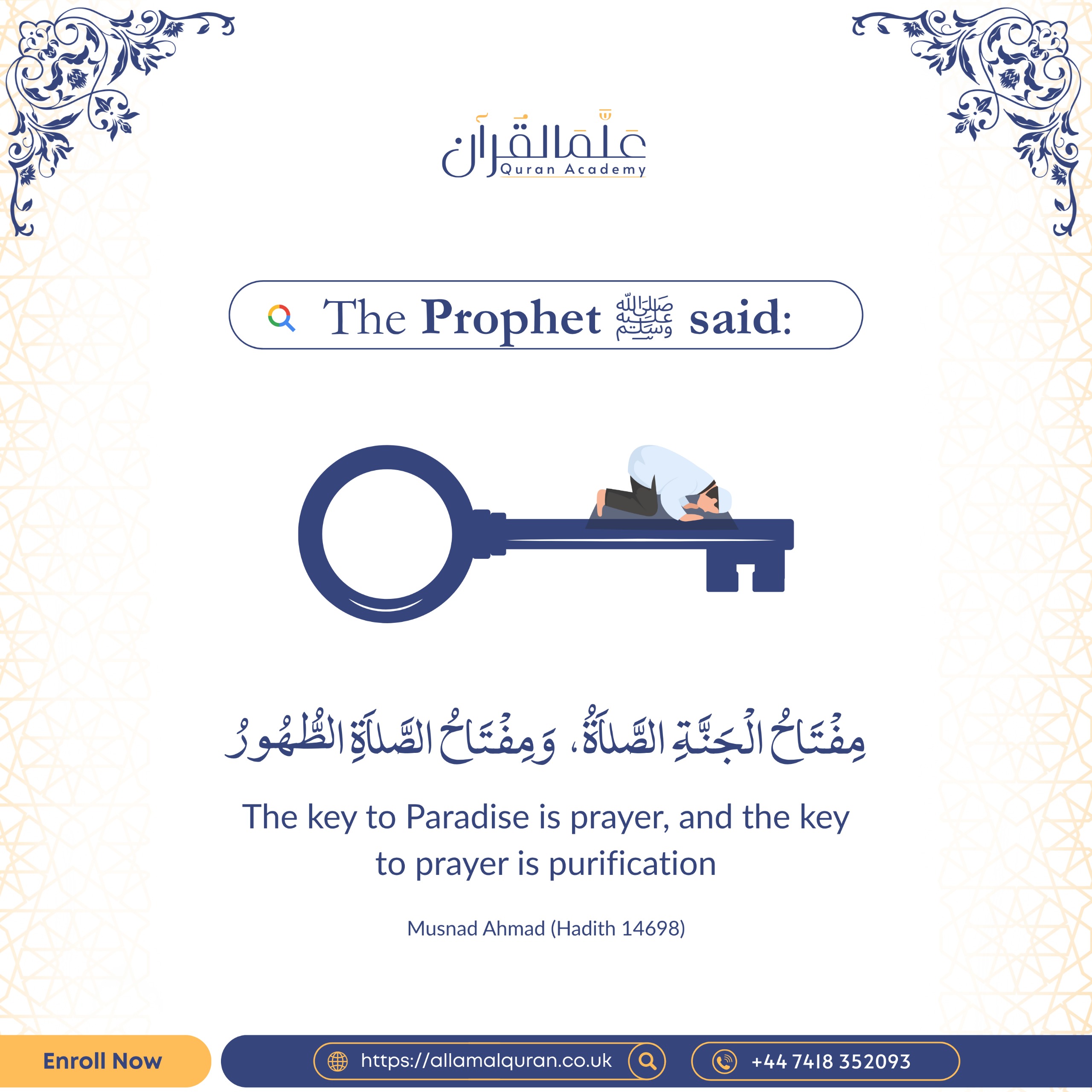
In the beautiful tradition of Islam, every aspect of worship carries profound wisdom and significance. Among the most fundamental practices are prayer (Salah) and purification (Taharah), which form the cornerstone of a Muslim's spiritual life. The Prophet Muhammad (peace be upon him) beautifully illustrated their importance in a profound hadith that serves as our guiding light.
This powerful statement encapsulates the essential connection between spiritual purity and divine acceptance. Just as a physical key opens a door, these spiritual keys unlock the gates to Allah's mercy and paradise.
Purification in Islam extends beyond physical cleanliness to encompass spiritual purity. It begins with Wudu (ablution), the ritual washing that prepares a Muslim for prayer. This act serves multiple purposes:
Teaching children the importance and method of proper purification lays the foundation for a lifetime of meaningful worship.
Join thousands of families who have discovered the beauty of Islamic education through our structured programs.
Explore Our Programs Book Free TrialTeacher's Answer: The Prophet (peace be upon him) instructed us to command children to pray at age seven. We recommend introducing the concept of purification around age 5-6 through gentle, positive reinforcement. Start with simple Wudu steps, making it an enjoyable activity rather than an obligation. Use storytelling and practical demonstrations to make the learning process engaging and memorable.
Teacher's Answer: This is very common and completely normal. Children have shorter attention spans, so we recommend these strategies:
Teacher's Answer: Making Islamic education enjoyable is key to building lasting connection. We suggest:
Teacher's Answer: This is a common concern among parents, and it's wonderful that you're being thoughtful about your child's Islamic education. Remember that:
Successfully integrating Islamic practices into family life requires patience, consistency, and understanding. Here are practical approaches that have proven effective:
Children thrive in environments where Islamic practices are presented as natural and joyful aspects of life. Avoid associating worship with punishment or negative reinforcement. Instead, focus on the blessings and benefits that come from connecting with Allah.
Adjust your expectations according to your child's age and development. A five-year-old's understanding and capability will differ significantly from a teenager's. Celebrate small achievements and progress rather than expecting perfection from the beginning.
Regular practice, even if imperfect, is more valuable than sporadic perfection. Establish routines that make prayer and purification natural parts of your family's daily rhythm.
Discover how our structured Islamic education programs can support your family's spiritual growth.