
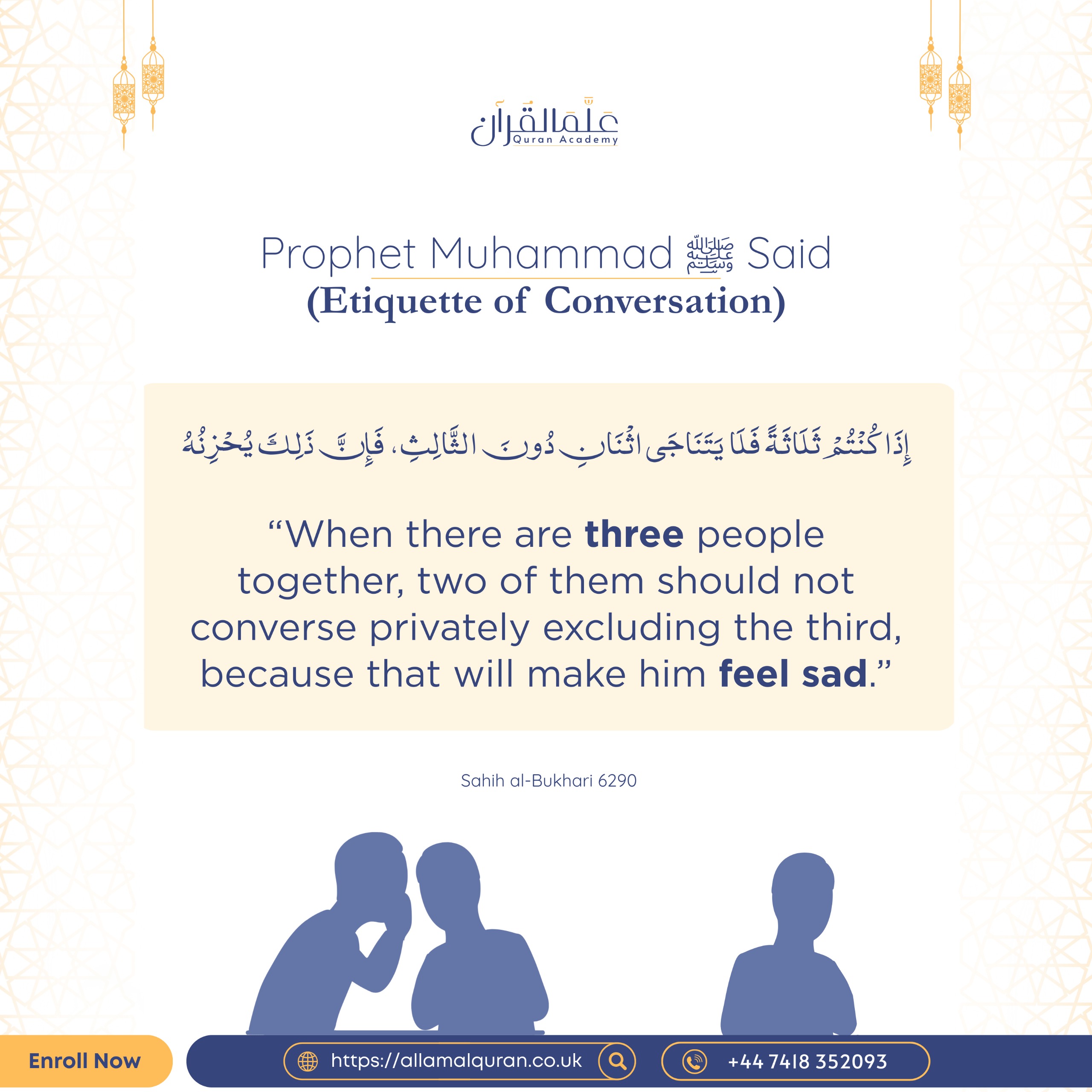
In today's fast-paced world, effective communication has become more important than ever. Conversation etiquette forms the foundation of all successful interactions, whether personal or professional. This guide explores the principles of courteous and effective dialogue that can enhance your relationships and professional interactions.
Proper conversation etiquette demonstrates respect, builds trust, and facilitates clearer understanding. It creates an environment where all parties feel valued and heard, leading to more productive exchanges and stronger relationships.
Active listening means fully concentrating on what is being said rather than just passively hearing the message. This involves maintaining eye contact, nodding to show understanding, and avoiding interruptions. When you practice active listening, you demonstrate respect for the speaker and gain a deeper understanding of their perspective.
Conversation is a two-way exchange. Allow others to finish their thoughts before responding. Avoid dominating the conversation or interrupting. If you find yourself talking for more than a minute without pause, consider asking a question to engage the other person.
Your non-verbal cues often speak louder than your words. Maintain open posture, appropriate eye contact, and facial expressions that match the conversation tone. Avoid crossing your arms, looking at your phone, or displaying distracted behavior while someone is speaking.
In professional settings, wait 2-3 seconds after someone finishes speaking before responding. This brief pause shows you've considered their words and aren't simply waiting for your turn to talk.
Different situations require different conversational approaches. Formal settings like business meetings demand more structured dialogue with careful word choice, while casual gatherings allow for more relaxed exchanges. The key is to read the context and adjust your approach accordingly.
Pay attention to cues from others in the conversation. If someone seems uncomfortable with a topic, gracefully steer the discussion in a different direction. Similarly, if someone is particularly engaged in a subject, ask follow-up questions to show your interest.
In our increasingly digital world, conversation etiquette extends to emails, messaging platforms, and video calls. Always begin digital communications with a proper greeting, use clear subject lines, and be mindful of response times. In video calls, ensure your background is professional and minimize distractions.
Remember that digital communications lack tone and body language cues, making them more susceptible to misinterpretation. When discussing sensitive topics, consider a phone call or in-person conversation instead.
Mastering conversation etiquette is an ongoing practice that yields significant benefits in all areas of life. By showing genuine interest in others, respecting different viewpoints, and communicating clearly and respectfully, you build stronger relationships and create positive impressions that last.
The most effective conversationalists understand that good dialogue isn't about showcasing their own knowledge, but about creating meaningful connections through respectful exchange. Start applying these principles today and notice the improvement in your personal and professional interactions.