
The Power of Gratitude in Islamic Parenting
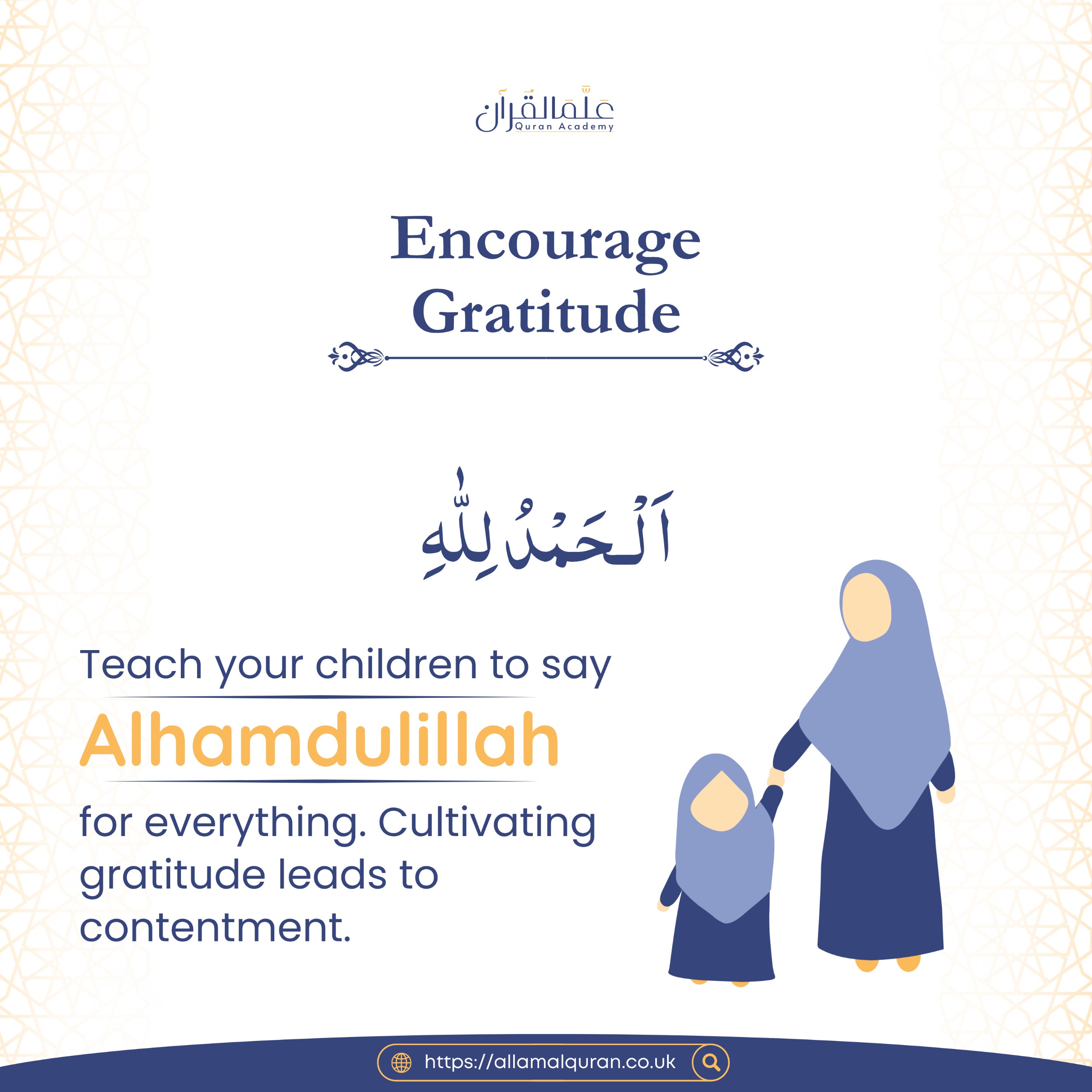
In today's fast-paced world, teaching children gratitude has become more important than ever. The Islamic concept of saying "Alhamdulillah" (all praise is for Allah) goes beyond mere politeness - it's a profound spiritual practice that shapes character and worldview.
The Prophet Muhammad (peace be upon him) said: "Whoever does not thank people has not thanked Allah." This teaching emphasizes that gratitude begins with acknowledging the blessings around us, both great and small.
Why Gratitude Matters in Child Development
Gratitude is not just a religious obligation; it's a psychological strength that contributes to overall wellbeing. Children who practice gratitude regularly develop stronger emotional resilience, better relationships, and a more positive outlook on life.
Emotional Resilience
Grateful children are better equipped to handle disappointment and adversity, seeing challenges as opportunities for growth.
Stronger Relationships
Expressing appreciation strengthens family bonds and friendships, creating a positive social environment.
Spiritual Connection
Regular remembrance of Allah through Alhamdulillah deepens a child's relationship with their Creator.
Contentment & Satisfaction
Grateful children are less likely to develop materialistic attitudes and more likely to find joy in what they have.
Practical Ways to Teach Gratitude
Incorporating gratitude into daily life requires consistency and creativity. Start by modeling grateful behavior yourself - children learn more from what they see than what they're told.
Create family rituals around gratitude, such as sharing three things you're thankful for during meal times or keeping a family gratitude journal where everyone contributes daily Alhamdulillah moments.
When children receive gifts or favors, gently remind them to say "Alhamdulillah" first, then thank the person. This reinforces that all blessings ultimately come from Allah, while also teaching good manners.