
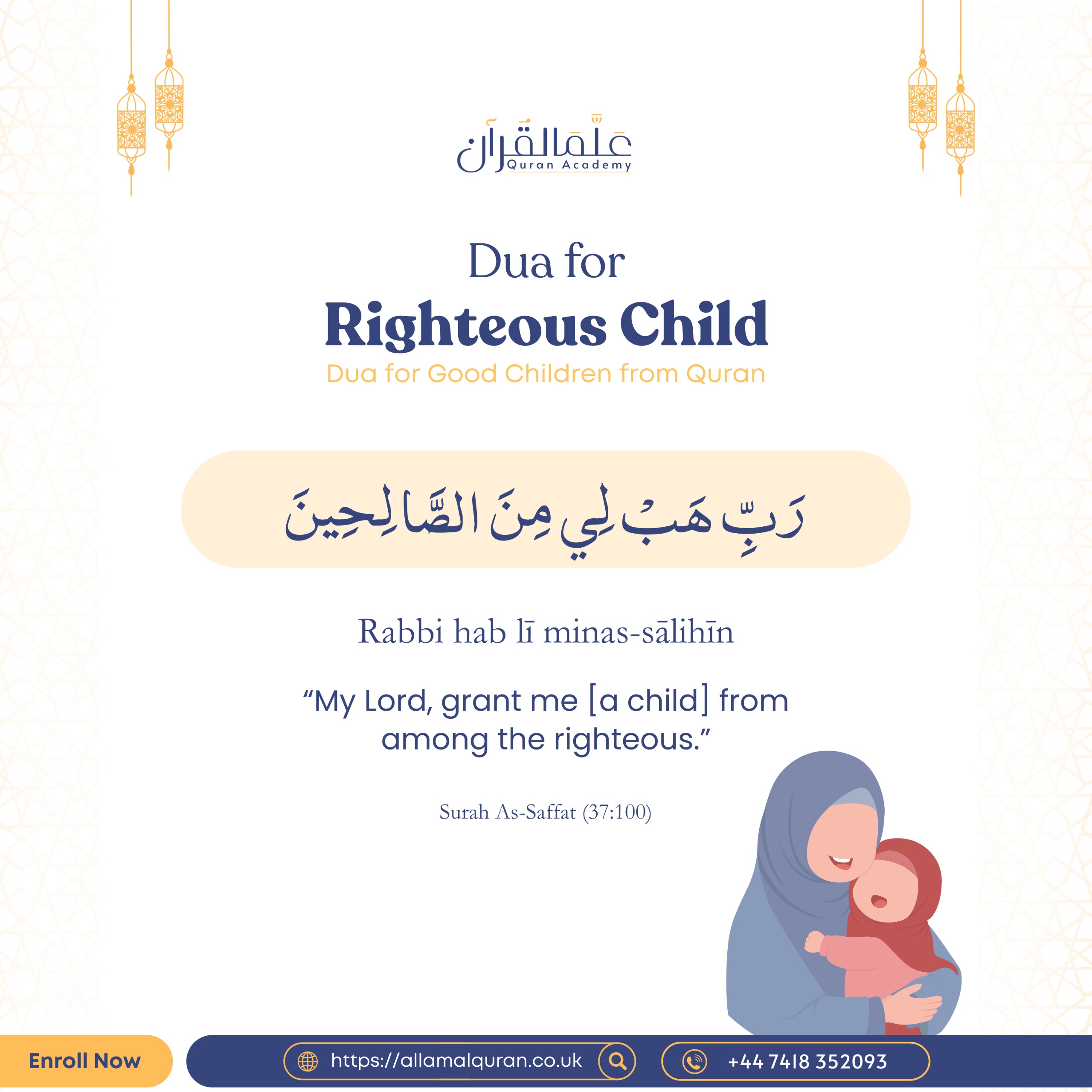
Understanding and Implementing the Powerful Supplication from Surah As-Saffat for Righteous Offspring
This profound dua from Surah As-Saffat represents one of the most comprehensive supplications a believer can make regarding offspring. The prayer transcends mere request for children; it specifically asks for righteous, pious offspring who will be assets to their family, community, and the Ummah at large.
The word "الصَّالِحِينَ" (as-sālihīn) encompasses multiple dimensions of righteousness: correct faith, moral excellence, beneficial knowledge, good character, and positive contribution to society. When Prophet Ibrahim (AS) made this supplication, he was asking not just for a child, but for a child who would continue the legacy of prophethood and righteousness.
This dua was made by Prophet Ibrahim (AS) after his monumental trials, including his willingness to sacrifice his son for Allah's sake. The context reveals that this supplication comes from a place of complete trust in Allah after passing through severe tests of faith.
Allah answered Ibrahim's (AS) prayer by granting him not just one righteous son, but two: Ismail (AS) and Ishaq (AS), both of whom became prophets. This demonstrates that when a believer asks sincerely for righteous offspring, Allah's response can exceed expectations in both quantity and quality.
Integrating this dua into daily life requires consistency and understanding. The supplication should be made regularly, particularly during times when prayers are most likely to be accepted: during the last third of the night, between the adhan and iqamah, while prostrating in prayer, and on Fridays.
Beyond mere recitation, parents should embody the qualities they wish to see in their children. Righteousness is cultivated through example, environment, and consistent nurturing. This dua serves as both a request and a commitment to create the conditions for righteousness to flourish.
Regular recitation keeps parental intentions pure and focused on Allah's pleasure rather than worldly desires for children. It aligns parental aspirations with divine objectives.
This supplication strengthens the bond between the believer and Allah, acknowledging that true righteousness comes only through divine grant, not human effort alone.
Unlike specific requests for health, intelligence, or beauty, this dua encompasses all aspects of goodness, leaving the specifics to Allah's perfect wisdom.
Make this powerful supplication a consistent part of your spiritual routine. The request for righteous offspring is among the most noble intentions a believer can have, carrying blessings for generations to come.