
Understanding the Meaning, Importance, and Proper Usage of This Islamic Phrase
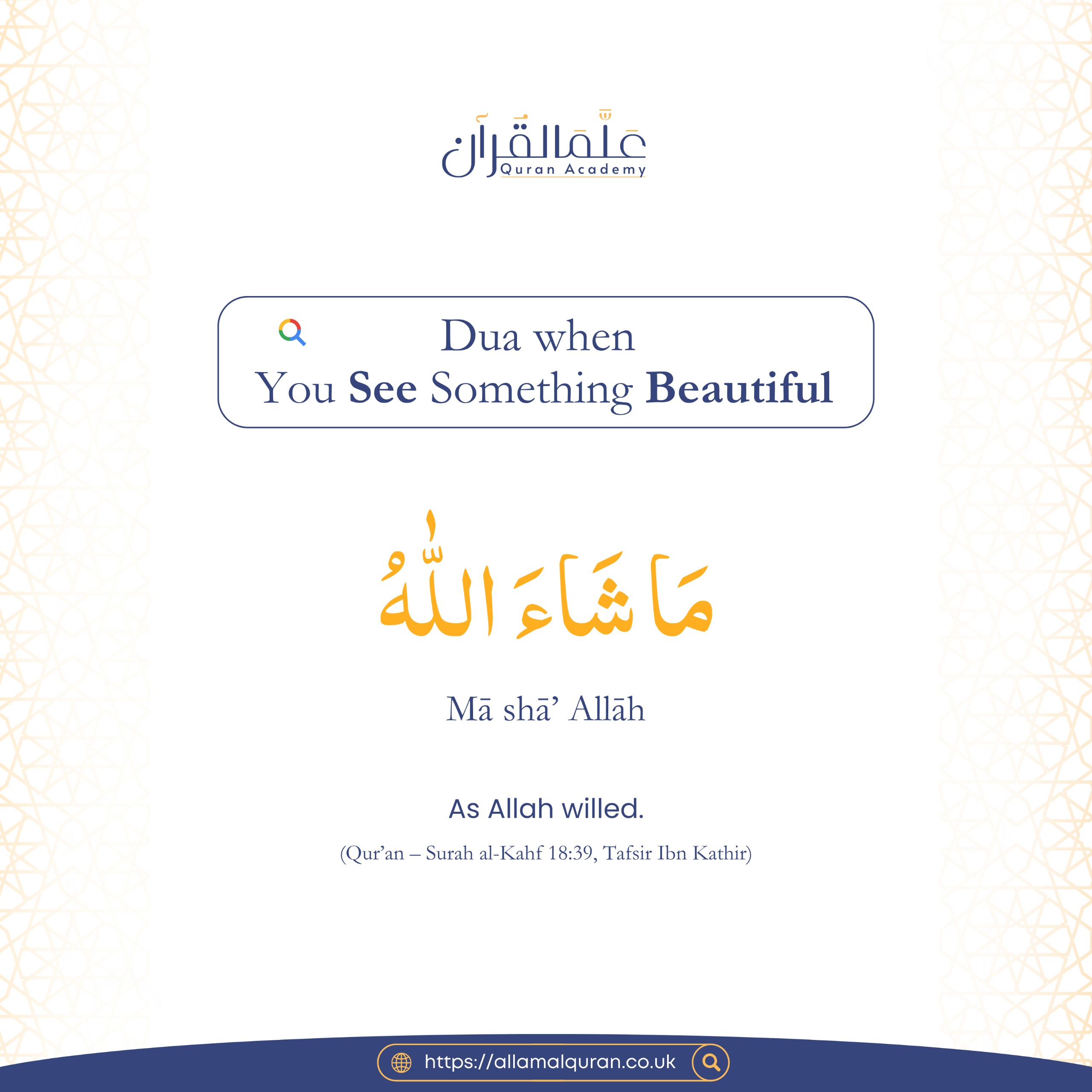
Ma Sha Allah (ما شاء الله) is an Arabic phrase that translates to "What Allah has willed" or "As Allah has desired." This beautiful expression is commonly used by Muslims worldwide when they see something admirable, beautiful, or praiseworthy. The phrase serves as a reminder that all blessings and beauty come from Allah alone, protecting against the evil eye and expressing gratitude to the Creator.
When Muslims say "Ma Sha Allah," they are essentially acknowledging that whatever goodness, beauty, or success they are witnessing is there only by the will and permission of Allah. This practice helps maintain humility and prevents envy or boastfulness, keeping the heart connected to the Divine.
Using Ma Sha Allah is not merely a cultural tradition but a spiritually significant practice in Islam. It serves multiple important purposes in a Muslim's daily life and spiritual development.
Recognizing that blessings come from Allah protects against harmful envy and the evil eye
It serves as an acknowledgment and thankfulness for Allah's blessings
Reminds us that all achievements and blessings are from Allah alone
Reinforces the belief in divine decree and Allah's ultimate control
Incorporating Ma Sha Allah into daily life creates constant awareness of Allah's blessings. Here are some common situations where Muslims typically use this expression:
When complimenting someone's appearance: Instead of just saying "You look beautiful," adding "Ma Sha Allah, you look beautiful" acknowledges that the beauty is from Allah.
When admiring someone's home or possessions: "Ma Sha Allah, what a beautiful home you have" recognizes that the blessing comes from Allah.
When praising children's achievements: "Ma Sha Allah, your child recited the Quran so beautifully" protects the child from evil eye while giving credit to Allah.
When appreciating someone's success: "Ma Sha Allah on your new job" acknowledges that the success is by Allah's will.
Learn more about Islamic teachings and practices at Allama Quran Institute
https://allamalquran.co.uk